
Drawing on current research and veteran ensemble experience, the clinicians examine one of the most persistent challenges in music education: students who cannot access the learning environment their director has built. Grounded in Universal Design for Learning in Music Education (Hourigan, Hammel & Hackl-Blumstein, 2024), the session identifies the most common barriers in ensemble settings — attention variability, literacy range, and simultaneous decoding and decision-making — and reframes each as a design problem with a practical solution. Attendees will explore rehearsal-ready strategies grounded in the UDL framework while discovering that flexible instructional pathways and firm musical expectations are not in conflict — they are complementary. The clinicians will guide participants through reflection on their own rehearsal design and leave them with tools applicable to any ensemble setting.
Target Audience
JH and HS Band and orchestra directors
Additional Notes
Clinician Info
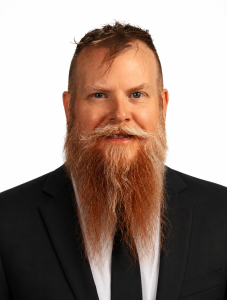
Adam Lynskey
Dr. Adam Lynskey is a music educator and academic researcher with more than two decades of experience in ensemble direction and music education. His research focuses on designing learning environments that expand access for all students while maintaining rigorous musical expectations. He holds a Doctor of Musical Arts in Music Education and has published peer-reviewed research in the field. Dr. Lynskey has presented multiple times at the Texas Music Educators Association conference and is committed to bridging the gap between educational research and the daily realities of the rehearsal room.
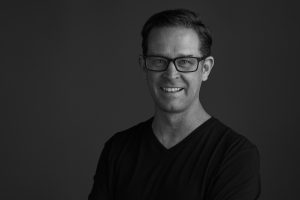

Ryan Hourigan
Ball State University
Dr. Ryan Hourigan is a professor of music education and co-author of Universal Design for Learning in Music Education (Hourigan, Hammel & Hackl-Blumstein, 2024), the field’s leading text on UDL in music contexts. His research and teaching focus on music education for students with exceptionalities, and he has presented widely at state and national conferences. Dr. Hourigan has served in leadership roles within the National Association for Music Education and brings extensive experience translating research into practical application for music educators at all levels.