
Music study naturally fosters emotional growth, but how do we move from inherent benefits to intentional, evidence-based success? Grounded in psychological science and informed by advanced clinical practice, this session redefines Social-Emotional Learning (SEL) for the music classroom. Led by a board-certified music therapist and psychologist, the presentation introduces the "Two Arms" of music-centered SEL: recognizing the social-emotional benefits inherent in music-making and identifying pedagogical modifications that maximize student well-being.
Using the California Transformative-SEL (T-SEL) competencies to operationalize the broader CASEL framework, attendees will explore how identity, agency, and belonging manifest musically. The presenter will span the developmental spectrum—offering concrete, actionable examples for early elementary, late elementary, middle school, high school, and adult learners. Attendees will leave with a refined, psychology-driven toolkit to intentionally support their students' mental and musical growth without sacrificing time or compromising artistic excellence.
Target Audience
Elementary through college music educators, studio instructors, and ensemble directors
Additional Notes
Clinician Info
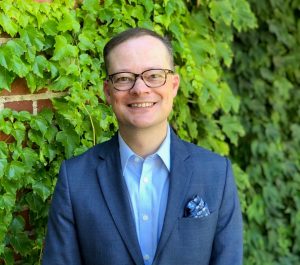
Eric G. Waldon
University of the Pacific
Eric G. Waldon, PhD, MT-BC, is professor and program director of music therapy at University of the Pacific, California. A board-certified music therapist, he also holds a license to practice psychology in California. His scholarly interests include clinical assessment, measurement, music therapist research competency and social emotional learning. He has served on the editorial boards for Music Therapy Perspectives and Journal of Music Therapy and recently authored the AMTA text The Music Therapy Assessment Manual: A Guide to Data-Based Decision Making.